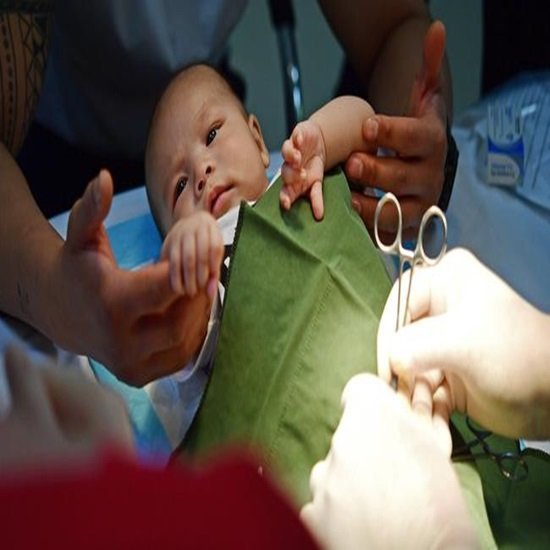
Circumcision in Children
Safe circumcision for medical, hygienic, or religious reasons.
What is circumcision in children?
Circumcision is the surgical removal of the foreskin covering the tip of the penis. In children, it may be performed for medical reasons such as recurrent infections, phimosis (tight foreskin), or balanitis, as well as for cultural or family preference.
When is circumcision recommended?
- Phimosis that does not respond to conservative treatment
- Recurrent balanitis or urinary tract issues related to foreskin
- Abnormal urinary stream due to foreskin obstruction
- Family or religious choice after informed discussion
The procedure
Circumcision is performed under local or general anesthesia depending on the child's age and comfort. The foreskin is removed in a sterile environment using precise surgical technique. The procedure typically takes a short time, and most children go home the same day.
Recovery and aftercare
- Keep the area clean and apply prescribed ointment as directed
- Expect mild swelling and discomfort for a few days
- Avoid strenuous activity and swimming until healing is complete
- Follow-up visit to ensure proper healing
What we offer
- Medical & elective circumcision
- Local & general anesthesia
- Sterile operating environment
- Clear aftercare instructions
When to contact us
- Heavy bleeding that does not stop
- Fever, increasing redness, or foul-smelling discharge
- Your child cannot urinate within 8–12 hours after surgery
- Severe pain not relieved by prescribed medication
Key points
- Circumcision is a common, safe procedure when performed by experienced surgeons
- Medical indications should be discussed before elective circumcision
- Preputioplasty may be an alternative when foreskin preservation is preferred
- Clear aftercare instructions support smooth recovery
